Last updated: September 2026
Knowing how to register for VAT in the UK is important whether you’re running a growing small business, operating a limited company, working as a sole trader or establishing an overseas business that makes taxable supplies in the UK.
In 2026, the compulsory UK VAT registration threshold is £90,000 of VAT-taxable turnover. However, reaching £90,000 is not the only circumstance in which VAT registration may apply. Some businesses can register voluntarily below the threshold, while different registration rules can apply to businesses established outside the UK.
This guide explains when you need to register for VAT, how the HMRC VAT registration process works, what information you may need and what happens after registration.
This guide has been reviewed against current HMRC guidance on UK VAT registration. VAT rules and thresholds can change, so always check the latest HMRC guidance before making decisions about your business.
What Is VAT Registration in the UK?
VAT registration is the process of registering an eligible business with HM Revenue & Customs (HMRC) for Value Added Tax. Once registered, the business receives a VAT registration number and becomes responsible for complying with the VAT rules that apply to its activities.
VAT registration can be compulsory or voluntary depending on your turnover, business activities and circumstances.
What Is the VAT Registration Threshold in the UK in 2026?

The UK VAT registration threshold is £90,000 in taxable turnover.
A UK business generally needs to register if:
- its total VAT-taxable turnover for the previous 12 months exceeds £90,000; or
- it expects its VAT-taxable turnover to exceed £90,000 within the next 30 days.
The first test uses a rolling 12-month period, rather than simply looking at turnover within a calendar or accounting year.
That distinction is important for growing businesses because your VAT position should be monitored throughout the year.
Can I Register for VAT If My Turnover Is Below £90,000?
Yes. An eligible UK business can voluntarily register for VAT even when its taxable turnover is below the £90,000 compulsory registration threshold.
Once voluntarily registered, however, the business generally has the same VAT accounting responsibilities as other VAT-registered businesses.
Voluntary registration may be considered for different commercial reasons, but whether it is suitable depends on the circumstances of the individual business.
How to Register for VAT in the UK
Most businesses can complete their HMRC VAT registration online.
The process can broadly be broken into five steps:
1. Determine whether you need to register
Establish whether you have exceeded the VAT threshold, expect to exceed it within the relevant period, qualify for voluntary registration or are subject to different rules because your business is established outside the UK.
2. Prepare your business information
HMRC will require information about the business and its activities. The exact information required depends on the type of business and circumstances.
3. Complete the HMRC VAT registration application
Businesses registering because their taxable supplies have exceeded the threshold can generally use HMRC’s online VAT registration service. An authorised agent can also submit an application on behalf of a business.
4. Submit accurate information to HMRC
Check your information carefully before submission. HMRC may request additional information or evidence depending on the application.
5. Receive your VAT registration details
Once registration has been processed, HMRC confirms the business’s VAT registration details, including its effective date of registration.
What Information Do You Need to Register for VAT?
The information required varies according to your business structure and reason for registering.
You should be prepared to provide information relating to your:
- business identity and structure
- business activities
- taxable turnover
- expected taxable turnover
- business bank details
- tax and company information where applicable
- reason for VAT registration.
HMRC states that an application made because taxable supplies have exceeded the threshold should include an estimate of taxable turnover for the 12 months beginning from the registration date.
HMRC can also request evidence where a business is applying as an intending trader. Examples in its guidance include business plans, contracts, invoices for business expenditure and evidence of marketing or attempts to obtain finance.
How Long Does VAT Registration Take in the UK?
VAT registration is not something for which I would promise a fixed approval time in the article. Processing can depend on the application and whether HMRC needs additional information or checks.
For SEO purposes, that’s also an opportunity: rather than publishing an unreliable number, we can answer the query accurately and explain that submitting complete and accurate information can help avoid unnecessary delays.
Do Overseas Companies Need to Register for UK VAT?
An overseas business can be required to register for UK VAT when it makes taxable supplies in the UK, even if it has no physical UK establishment.
A non-established taxable person (NETP) making taxable sales in the UK, or expecting to make them within the next 30 days, can register through HMRC’s online VAT registration service. The normal domestic VAT threshold rules do not apply in the same way to these businesses.
There are additional rules for overseas sellers, including businesses selling through online marketplaces, so the precise VAT treatment depends on how and where the business makes its supplies.
What Happens After You Register for VAT?
VAT registration is the beginning of ongoing VAT responsibilities rather than the end of the process.
Depending on your circumstances, a VAT-registered business may need to:
- charge the appropriate VAT on taxable supplies
- issue appropriate VAT invoices
- maintain VAT records
- account for VAT to HMRC
- submit VAT returns
- comply with applicable digital record-keeping requirements.
This is why businesses should understand both the benefits and responsibilities before choosing voluntary registration.
Frequently Asked Questions VAT Registration UK
What is UK VAT registration?
UK VAT registration is the process through which an eligible business registers with HMRC for Value Added Tax and receives a VAT registration number. Registration may be compulsory when a business meets the relevant threshold or voluntary for eligible businesses below it.
How do I get VAT registration in the UK?
Most businesses get UK VAT registration by applying through HMRC’s online VAT registration service. You first determine why you need to register, prepare the required business and turnover information, complete the application and provide any additional information requested by HMRC.
Can a small business register for VAT?
Yes. A small business can voluntarily register for VAT even if its taxable turnover is below the compulsory threshold, provided it meets HMRC’s eligibility requirements. Once registered, it must comply with the VAT obligations that apply to VAT-registered businesses.
Can I register for VAT before I start trading?
Potentially, yes. HMRC allows registration for an intending trader where there is a genuine business and an intention to make taxable supplies. HMRC may request evidence demonstrating that the business is being established and intends to make those supplies.
Is the VAT threshold £90,000 in 2026?
Yes. The UK VAT registration threshold for taxable supplies is currently £90,000. HMRC’s August 2026 VAT Notice supplement confirms this threshold.
Buy African Snacks Online in the UK Today
Whether you are craving fresh kulikuli, stocking up on chin chin for a celebration, or simply want to browse the range of Nigerian and African snacks available for delivery across the UK, ZZmore is the place to start.
Every vendor on ZZmore is African-owned, UK-based or delivering across the UK, and genuinely connected to the community they serve. That is what makes the difference between a snack that tastes right and one that does not.
Shop African snacks now: zzmore.store and find your next favourite African snack.
Want to explore more? Read our full guide:
Do overseas companies have the same £90,000 VAT threshold?
No, not necessarily. A non-established taxable person making taxable supplies in the UK can be required to register regardless of the normal UK VAT registration threshold. Special rules and exceptions can apply depending on the type of supply and whether sales are made through an online marketplace.
Need Help Registering for VAT?
Understanding how to register for VAT in the UK is easier once you know which rules apply to your business, but preparing and completing the application can still take time.
If you would prefer support with the process, our VAT Registration Service UK helps small businesses, sole traders and limited companies prepare the information required and navigate their HMRC VAT registration application.
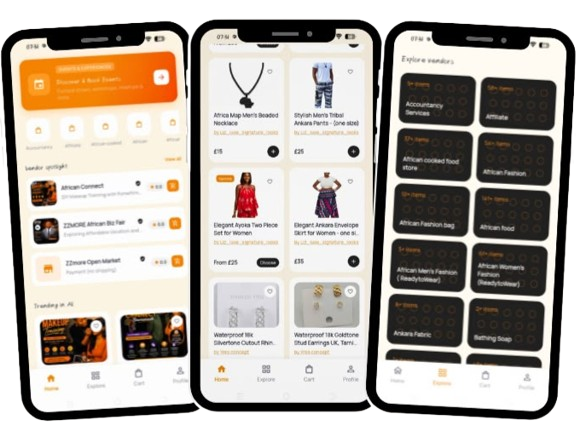
The service is available through ZZMORE.STORE, an African online marketplace UK entrepreneurs can use to discover business support services alongside products from independent businesses and sellers.
Get support with your VAT registration application today.
Important Disclaimer
The information in this article is provided for general informational purposes only and does not constitute tax, accounting, financial or legal advice. VAT requirements can vary depending on your business structure, activities and individual circumstances. You should check the latest guidance from HM Revenue & Customs (HMRC) or seek advice from a suitably qualified professional where necessary.